What doctors measured
Kisspeptin: what changed in people and what didn't.
Doctors checked blood hormones, egg growth, sexual desire, and short-term harm. The studies didn't settle long-term safety.
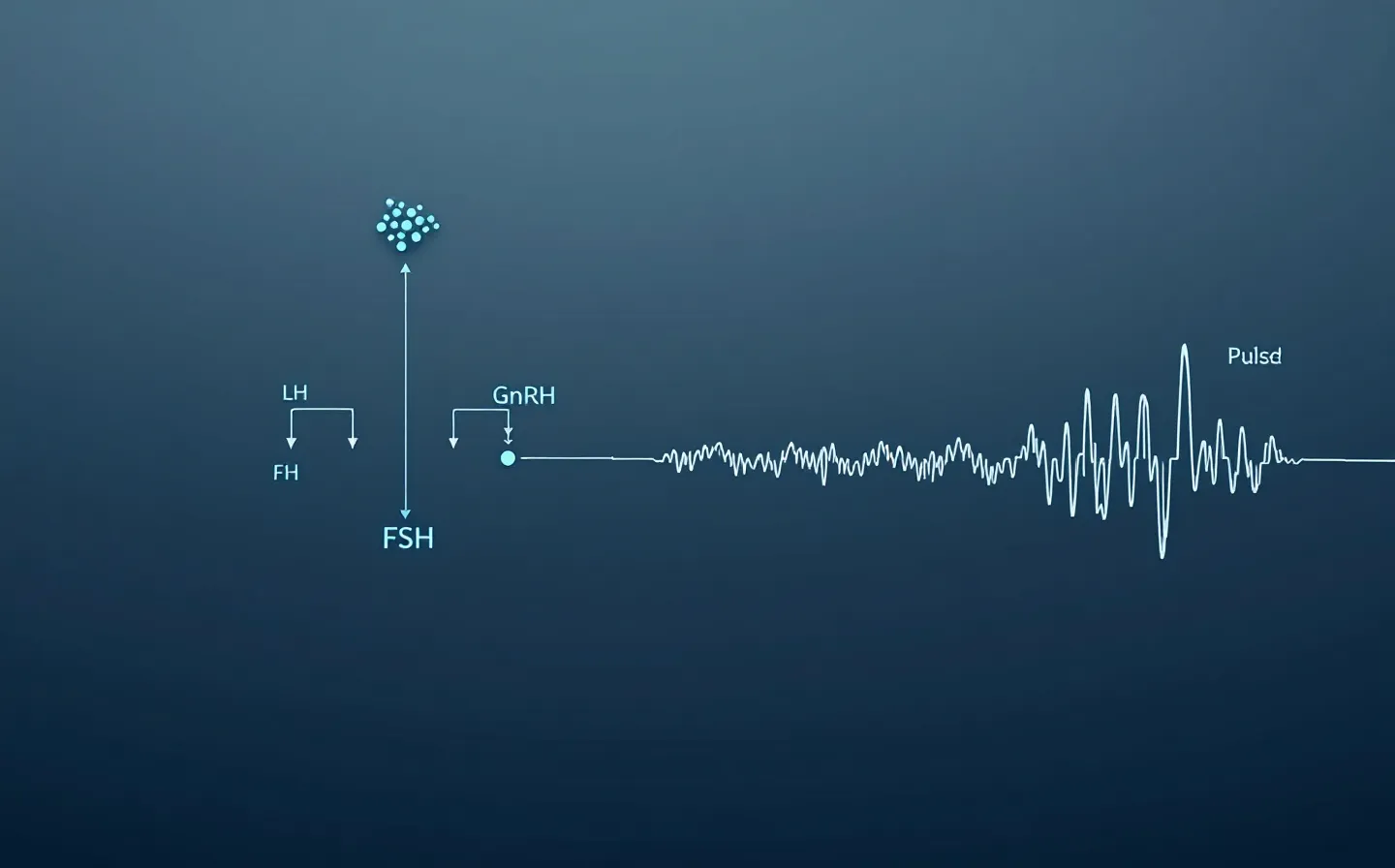
What the first Kisspeptin studies measured
The first studies asked whether a protein made in the brain could raise sex hormones. Doctors also watched egg growth and sexual desire. That protein is Kisspeptin. It starts a chain of hormone releases. First, brain cells send a message to a small gland beneath the brain. That gland then tells the ovaries or testes to work. Kisspeptin does not count as a sex hormone. It works before those hormones.
Doctors tested Kisspeptin after some women's periods had stopped. Their fertility care joined eggs and sperm outside the body. The drug was also studied in men and women troubled by low sexual desire. Still, no health agency has approved Kisspeptin as medicine. With repeated use, the hormone rise often became much smaller. That's a serious limit if you're weighing this drug for your care. Personal reports, both good and bad, appear on the effects page.
What is Kisspeptin, and what does it start?
Your cells carry written instructions for the protein called Kisspeptin. The protein attaches to certain brain cells [4]. Those cells release one hormone. The release comes as short bursts. This hormone reaches a gland tucked beneath the brain, and two more hormones come from that gland. They tell the ovaries or testes to make sex hormones.
The clearest early clue came from people, not advertising. People born without the cell part that receives Kisspeptin didn't go through puberty. Mice carrying that fault missed puberty too [4]. In 2003, those findings showed that Kisspeptin helps start sexual growth. The phrase "kisspeptin supplement" is misleading. A supplement is a food product, such as a vitamin. Kisspeptin remains a test drug, not a food supplement.
What Kisspeptin changed during short visits
One study gave healthy men Kisspeptin-10 through a vein. Within 30 minutes, a hormone directing the testes rose; a steady drip also raised testosterone [3]. Another study followed women whose periods had stopped. Kisspeptin-54 nearly tripled the bursts of an ovary-control hormone. Each burst released about six times more of that hormone [5]. Eggs matured in 95% of women receiving fertility care after a single shot beneath the skin. Doctors recorded no dangerous ovary swelling classed as moderate, severe, or critical [6]. The drug was Kisspeptin-54.
Another study enrolled 32 men with very low sexual desire. Kisspeptin-54 changed how their brains responded to sexual sights. Penis swelling rose by up to 56% compared with placebo, a drip with no drug. The men also reported more desire, and doctors saw no harm during the study [8]. A study in women found changes in how their brains handled attraction and sexual dislike [9]. These are short trial results. A neighbor's story can't offer the same proof; see the effects page.
What repeated Kisspeptin use does to the hormone rise
The hormone rise can shrink when Kisspeptin is given too often. A sales page may pass quickly over that point. We won't. In one study, women received shots twice a day [12]. On day one, the hormone rise reached about 24 international units per liter of blood. By the fourteenth shot day, the rise was much smaller [12]. A strong, steady drip also lost much of its effect [5]. Cells in the brain had lost much of their response to Kisspeptin.
Timing mattered more than simply giving more. Health agencies, including the FDA and EMA, haven't approved a Kisspeptin product. Studies in people remain at stages 1 and 2, the early steps that test dose and short-term safety [7]. Doctors watched each person closely and used carefully made drug material. We don't have sound facts about long use outside those studies. The Kisspeptin research page marks where the human evidence stops.